

Short version: Do not sign a long media contract to find out whether TV, radio or billboards work. Test one medium in one market for about six weeks, give it its own phone number and web address, compare against a similar market where you did nothing, and decide the pass or fail number before you start.
Plain definitions
- Flight: the stretch of time your ads run.
- Test market and control market: the area where you run the ads, and a similar area where you do not.
- Lift: the extra calls and appointments in the test market compared with the control market.
- Converted lead: a lead that turned into an appointment. Cost per appointment is spend divided by appointments. Cost per closed job is a separate metric based on jobs that actually closed.
Media reps are good at selling reach: how many people might see your ad. Reach is not appointments. A billboard can have a huge audience and still not move your phone.
The way to find out is a small, fair test. Here is how to set one up for a regional home-service company.
Pick one medium in one market
If you launch radio, a billboard and local TV in the same month, you will never know which one worked. Choose one medium and one market.
- Radio: often the lowest entry price of the three, but get real quotes. Run a steady schedule on one station that fits your customers.
- Billboards: one board on a road your customers actually drive. Put the phone number in big type, or do not bother.
- TV: the biggest commitment. Test it last, after you have learned how to measure.
Run the same message the whole time. Changing the ad mid-test muddies the result.
Give every medium its own number and web address
You need a way to tell the channels apart. Use a separate tracking number, and a separate short web address, for each one:
| Medium | Tracking number | Web address |
|---|---|---|
| Radio | Its own number | Its own short address |
| Billboard | A different number | A different short address |
| TV | A third number | A third short address |
Also have your call takers ask “how did you hear about us?” and record the answer the same way every time.
Tracked calls undercount, so measure lift too
Here is the catch. Someone hears your radio ad on the drive home, forgets the number, and searches your company name that night. That call shows up as a search call, not a radio call. Tracking numbers miss a lot of this.
So watch two things:
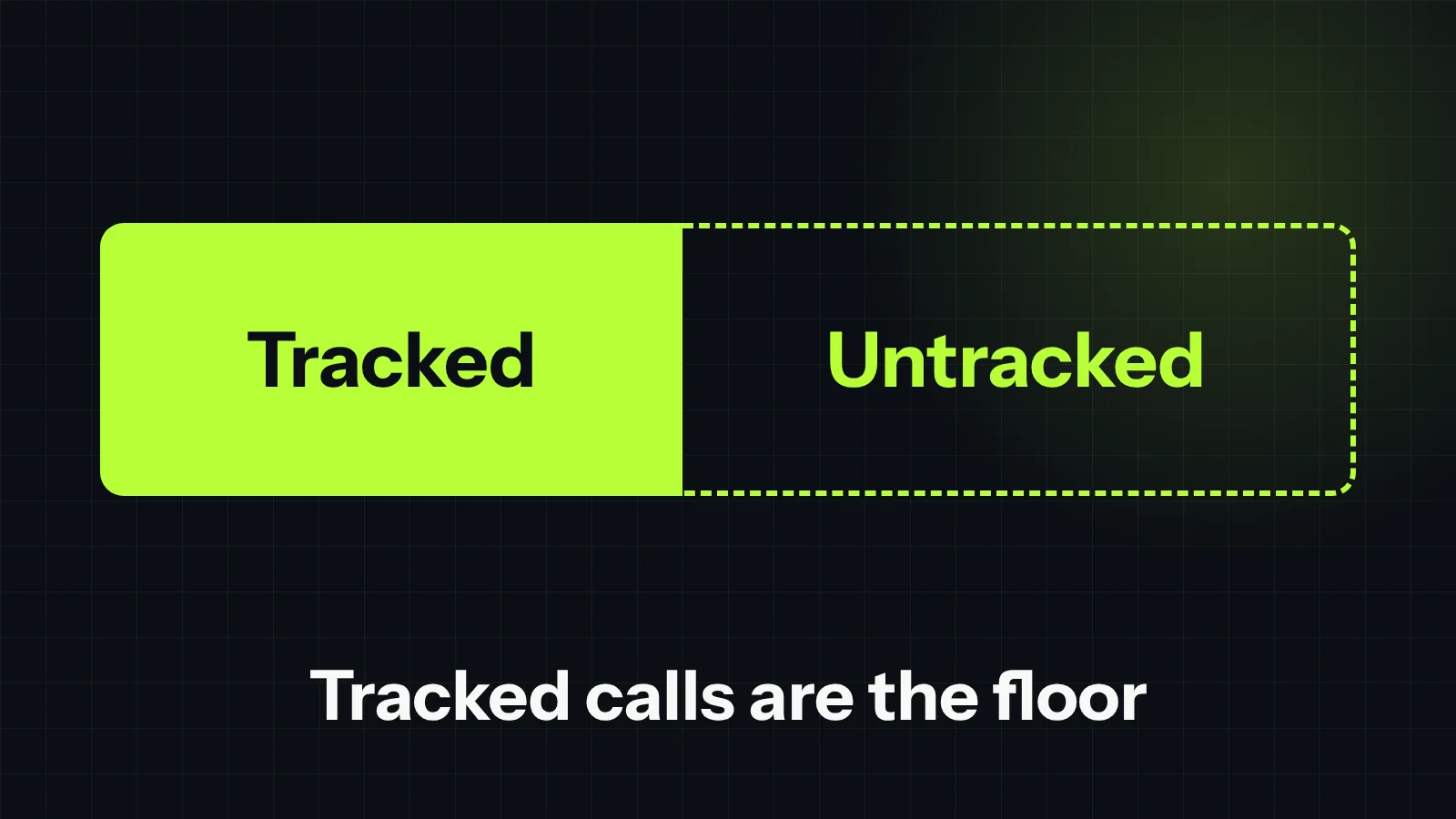
- Tracked calls and visits from the numbers and addresses above. This is the floor, not the total.
- Total calls and appointments in the test market compared with a similar control market, plus searches for your company name.
If total calls rise in the test market and not in the control market, the ads probably worked, even if the tracking numbers only caught part of it.
How to build a fair test
Measurement firms that test billboards and other offline media use a “geo holdout”: run ads in one area, hold them back in a matched area and compare. One vendor’s published playbook recommends these basics, and they are a sensible starting point for a smaller company too:
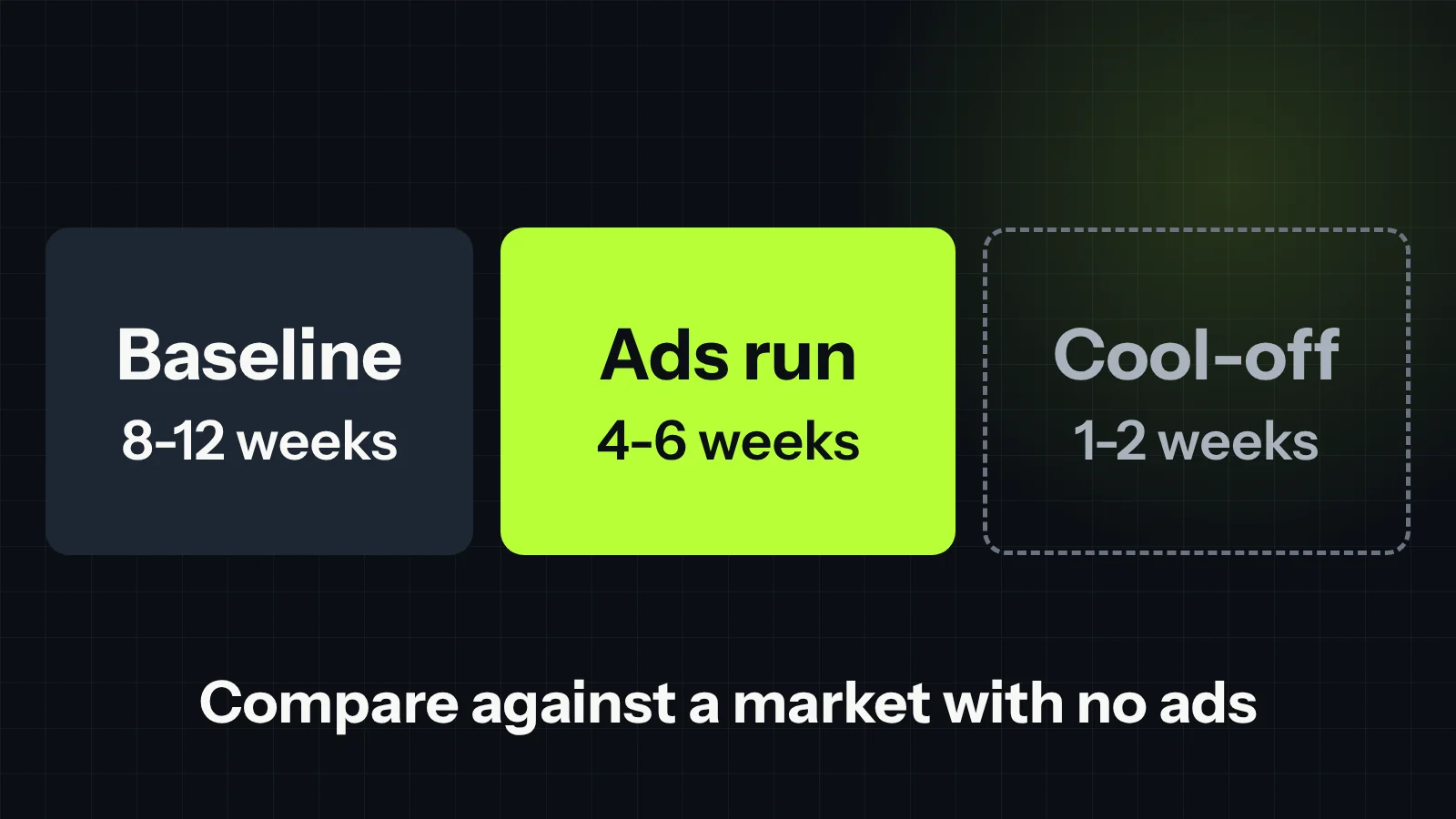
- Match the markets. Choose a control area whose baseline calls and appointments were within about 10% of the test area over the prior 8 to 12 weeks, with similar size and no other media changes.
- Run an even flight. Keep spend steady rather than pulsing, and write down any other marketing changes during the test.
- Run it long enough. At least four weeks, with six preferred if the budget allows.
- Keep counting afterward. Add a one to two week cool-off, because the effect can build and lag.
That playbook is written for larger advertisers. In a smaller market, our judgment is that results will be noisier, so a longer flight and a well-matched control matter even more. Treat one test as a clue, not a verdict.
Decide pass or fail before you launch
Write the rule down first, for example: “If the test market produces appointments at or below our target cost per appointment, we extend it. If not, we stop.” Deciding afterward is how a weak test gets renewed because everyone is attached to the billboard.
A simple, illustrative budget to show the method (the numbers are made up):
| Item | Illustrative amount |
|---|---|
| Six-week radio schedule plus production | $9,000 |
| Extra appointments over control (lift) | 30 |
| Cost per appointment | $300 |
| Your target cost per appointment | $350 |
| Result | Pass: extend and retest |
Then follow those appointments through to closed jobs, because cost per closed job is what tells you whether it was truly a good buy.
Why these channels are hard, and still worth testing
If you grew up on 90s TV, you can probably still hum a local car dealer’s jingle. That is exactly what these channels buy: memory. It is also why they are hard to measure. The ad does its work over weeks, and the phone call may come long after.
That is a reason to test carefully, not a reason to skip it. Some regional companies find a channel that works. You will only know if you measure it fairly.

Field note
Media reps often promise that local TV will instantly flood your phone lines. For a regional plumbing client, it didn’t; direct tracked calls were minimal. But when those local homeowners eventually needed service and opened Google, they clicked the familiar name first. The TV buy didn’t produce direct leads; it just made the brand stickier when search intent finally hit.
What we would check first in your account
- Whether you have a clean baseline of weekly calls and appointments by market.
- Whether you can find a control market that matches within about 10%.
- Whether tracking numbers and web addresses are ready for each medium.
- Whether your other marketing is steady enough to run a clean test.
- Whether you have a written target cost per appointment before the first dollar goes out.
Related work: TV and radio and billboards and outdoor.


